
The Seven Mosques
A group of historic mosques west of Mount Sal', at the site of the Battle of the Trench (al-Khandaq). The best known is Masjid al-Fath, where the Prophet ﷺ made supplication (du'a) for three days in a row until his du'a was answered.
View photos and video (13)Translated from the reviewed Arabic text. The English translation has not yet had a scholar's review.
[Remember] when they came at you from above you and from below you, and when eyes shifted [in fear], and hearts reached the throats
Worked out on your device only — your location is never sent or saved.
Visit information
Distance from the Prophet's Mosque
Driving time
How to get there
Transport cost
- Regular taxi10–15 SAR
- Ride-hailing apps (Uber and similar)15–25 SAR
Traffic and crowds get heavy during the Hajj and Umrah seasons and on Ramadan nights, especially just before the Maghrib (sunset) prayer.
Best time to visit
Opening status
Photo gallery
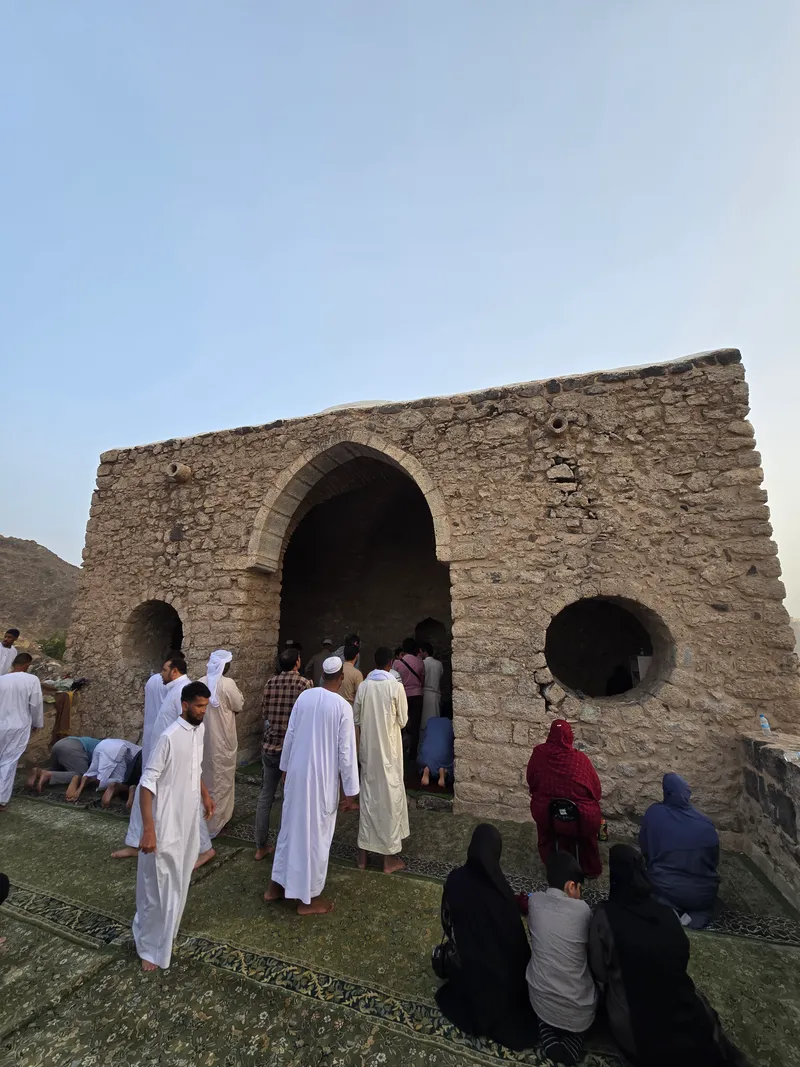
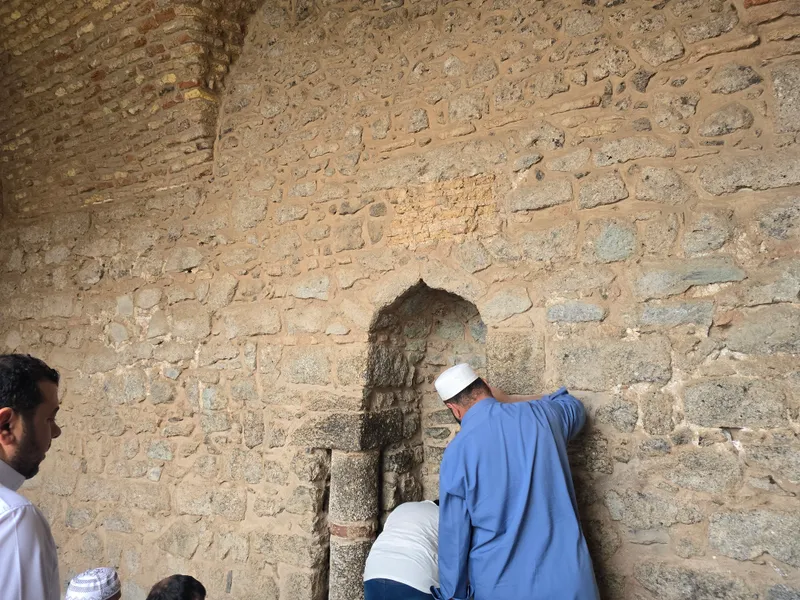
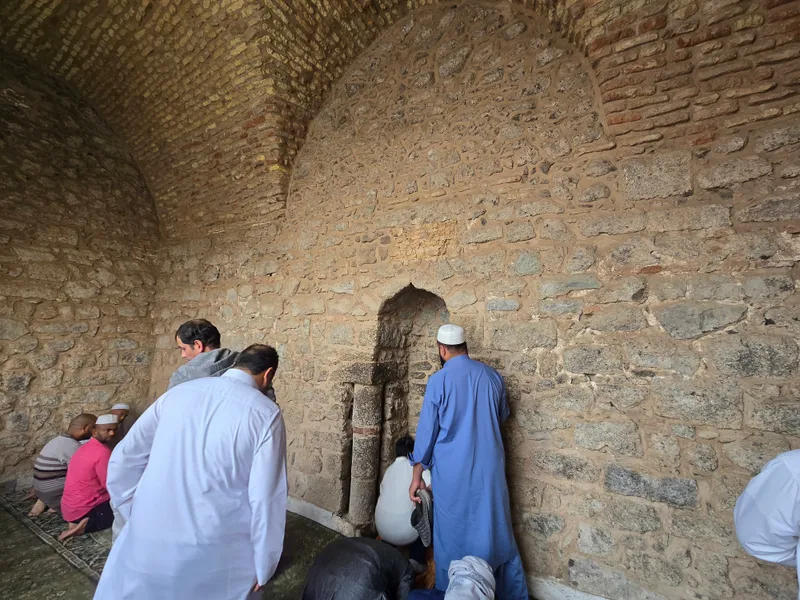
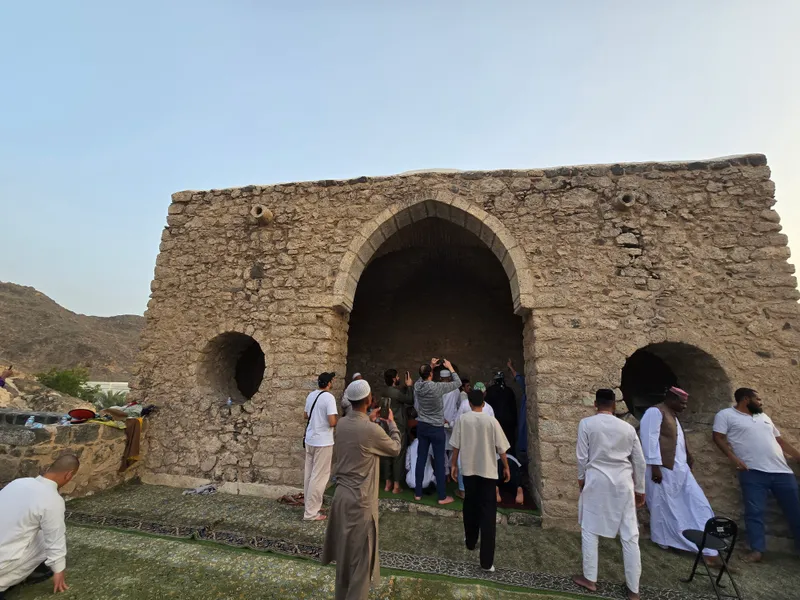
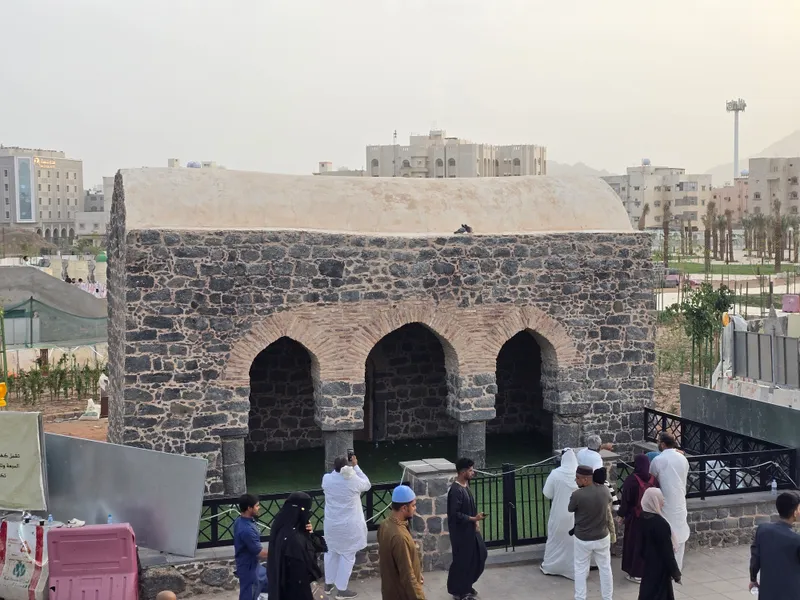
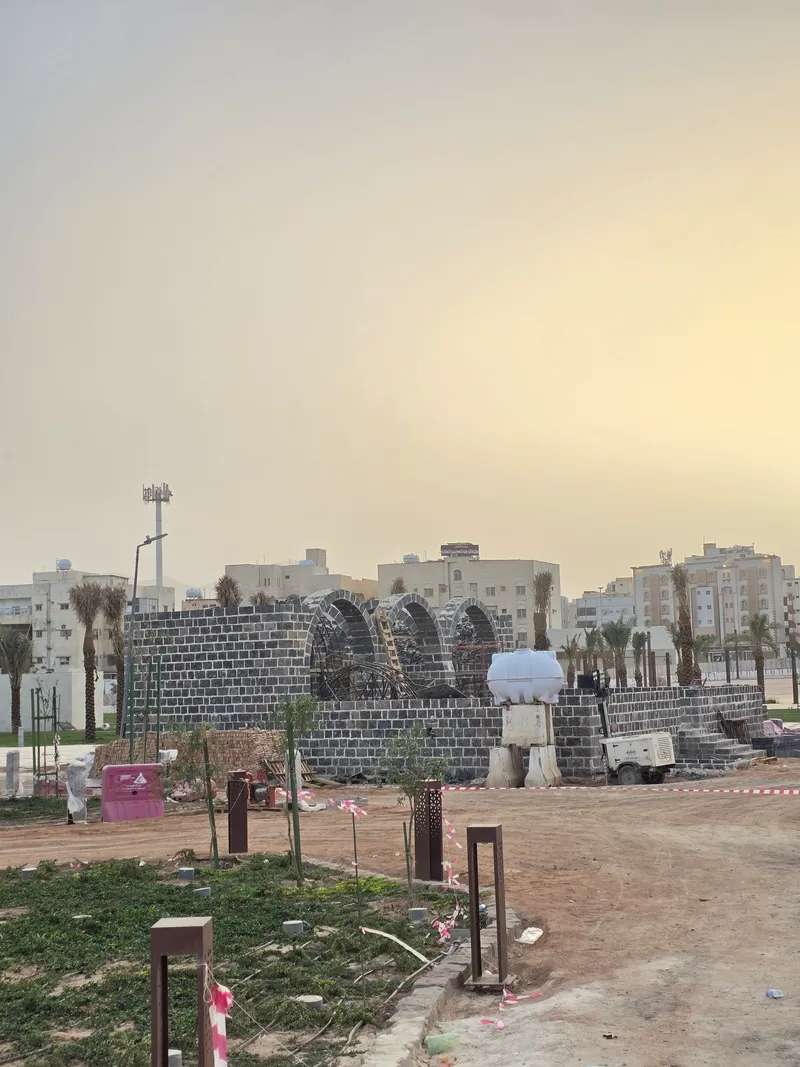
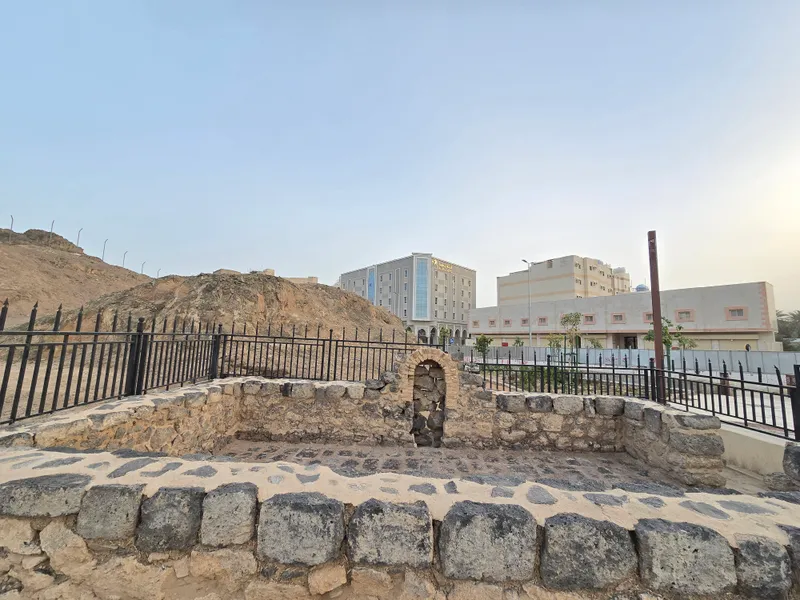
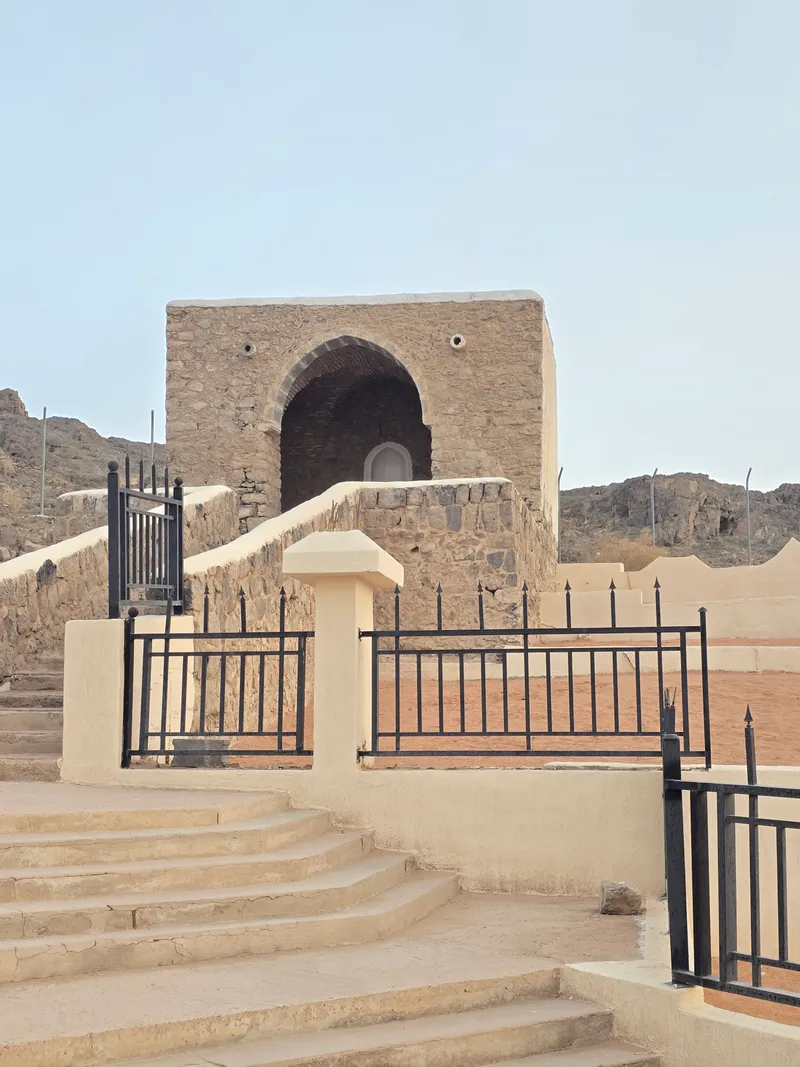
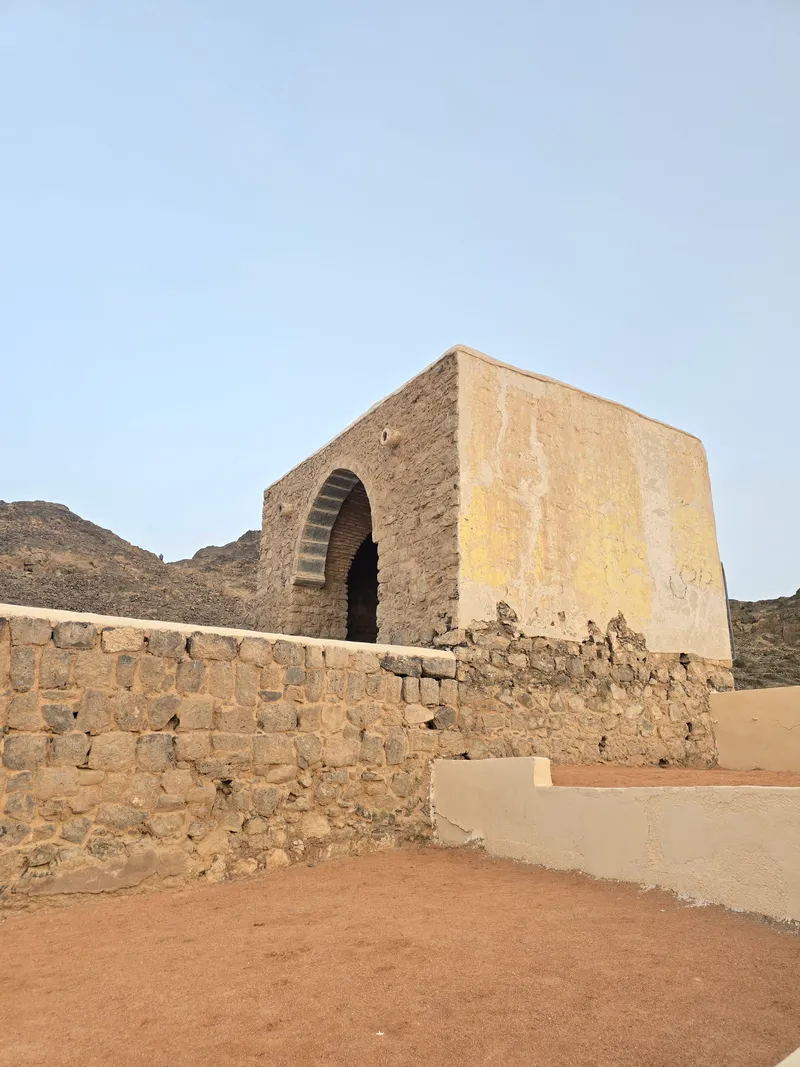
Image 1 of 12
Story and history
This is a group of mosques west of Mount Sal'. Prayers have been held in them, and they are named after the Prophet ﷺ and some of the noble Companions (Sahabah). These mosques are linked with the places where those Companions kept guard and camped during the Battle of the Trench (al-Khandaq), also called the Battle of the Confederates (al-Ahzab), in 5 AH. Masjid al-Fath (the Mosque of Victory) is considered the most important of them, and it stands on the highest ground. It is the spot where the Prophet ﷺ made supplication against the Confederates for three days in a row, until his supplication was answered and he received the good news of victory. The area also includes the mosques of Salman al-Farisi (whose idea it was to dig the trench), Abu Bakr as-Siddiq, 'Umar ibn al-Khattab, 'Ali ibn Abi Talib and Fatimah az-Zahra, as well as Masjid al-Khandaq, the congregational mosque.
Virtue of visiting
Jabir ibn 'Abd Allah (may Allah be pleased with him and his father) reported: “The Prophet ﷺ made supplication in Masjid al-Fath three times: on Monday, Tuesday and Wednesday. His supplication was answered on Wednesday, between the two prayers, and joy could be seen on his face.” (Musnad Ahmad). These mosques have no special status that calls for particular acts of worship or prayers in them. Rather, they are visited to connect with scenes from the Seerah (the Prophet's biography), and to remember how the Companions acted and stood firm in the Battle of the Trench.
Visiting tips
30 to 45 minutes is enough for a full tour and the climb up the stairs to Masjid al-Fath.
Ask the Guide
An automated guide powered by AI. It answers from Wafa al-Wafa, using only material approved after review, and says “I don't know” when it finds no source. It may make mistakes; the references are shown under each answer. Do not write personal information in your question.
In English, the guide translates the reviewed Arabic facts itself; only some of them have a reviewed translation.
Continue your journey with the Prophet's biography (Seerah)
You are now at the sites of the Seerah. The “Seerah” app is a free, interactive audio journey through the life of the Prophet ﷺ. It completes what you have seen here.
The app is in Arabic only.